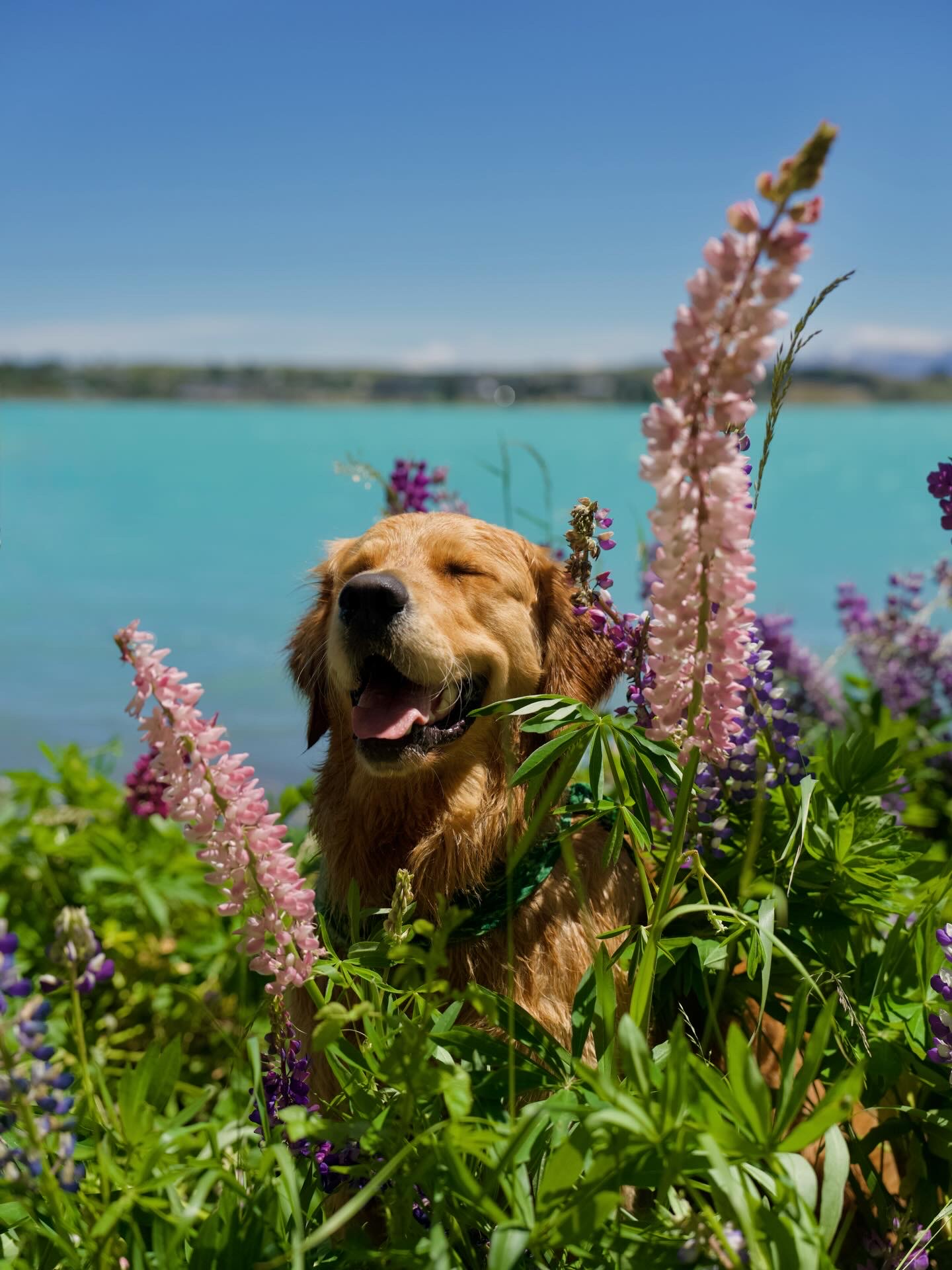
Dog-Friendly New Zealand
An overview of where dogs are welcome, where they are not, and what to know region by region across New Zealand.
Overview of Dog-Friendly Areas in NZ
New Zealand has a complicated relationship with dogs in the outdoors. As an island nation with many ground-nesting birds and no native land mammals (apart from bats), dogs pose a genuine threat to native wildlife. This means access is more restricted than in many other countries.
However, there are still hundreds of fantastic walks, beaches, and campsites where your dog is welcome. The key areas where dogs can generally go include:
- Council-managed reserves and parks: Many city and district councils allow dogs (often on-lead) in local parks, reserves, and walking tracks. These are often the easiest dog-friendly options.
- Beaches: Many beaches allow dogs, though often with seasonal or time-of-day restrictions. Some beaches have dedicated off-lead areas.
- DOC land with a permit: Selected conservation tracks and campsites allow dogs with a valid DOC permit. These tend to be away from sensitive wildlife areas.
- Private land and forestry tracks: Some commercial forests and private tracks welcome dogs. Always check access conditions.
Regional Highlights
Some regions stand out as particularly good for dog owners looking to explore the outdoors.
Canterbury / Christchurch
The Canterbury region offers excellent variety for dog owners. The Port Hills above Christchurch have multiple dog-friendly tracks with stunning views. The wide braided rivers of the Canterbury Plains provide open spaces for walks, and many high-country stations welcome dogs on their land.
Otago / Queenstown
The Queenstown Lakes district has some wonderful dog-friendly walks, including tracks around Lake Hayes and parts of the Queenstown Trail. Central Otago's rail trail is dog-friendly for most of its length. The Otago coastline near Dunedin offers great beach walks.
West Coast
The West Coast is one of the more dog-friendly regions, with many DOC tracks and beaches accessible to dogs. The quieter nature of the coast means less crowding and more space. Some bush walks near Hokitika and Greymouth allow dogs with a permit.
Nelson / Tasman
The Nelson region has numerous council reserves and coastal tracks that welcome dogs. The Tasman coast offers beautiful beach walks. Note that Abel Tasman National Park does not allow dogs, but there are excellent alternatives nearby.
Northland
Northland's extensive coastline provides endless beach walking opportunities for dogs. Many beaches have off-lead areas, and the warmer climate makes it a great year-round destination. Be aware of kiwi zones in the forests.
Waikato / Bay of Plenty
The Coromandel Peninsula and Bay of Plenty coast have many dog-friendly beaches. The Waikato River trails near Hamilton are popular with dog walkers. The Kaimai Range has some permit-access DOC tracks.
Protected Areas to Avoid
Dogs are strictly prohibited in many conservation areas. Entering these areas with a dog can result in heavy fines and, more importantly, can cause serious harm to native wildlife.
- National Parks: Dogs are banned from all 13 of New Zealand's national parks (Tongariro, Egmont, Abel Tasman, Kahurangi, Nelson Lakes, Paparoa, Arthur's Pass, Westland, Aoraki/Mt Cook, Mt Aspiring, Fiordland, Rakiura, and Te Urewera). There are no exceptions.
- Kiwi sanctuaries: Areas with active kiwi populations have zero-tolerance dog policies. This includes Whangarei Heads, Tongariro Forest, Okarito, Haast, and many others. Dogs can kill a kiwi in seconds.
- Predator-free zones: Fenced sanctuaries like Zealandia (Wellington), Maungatautari (Waikato), and Orokonui (Dunedin) are completely dog-free to protect the native species within.
- Island reserves: All offshore island reserves (Tiritiri Matangi, Kapiti, Ulva, etc.) prohibit dogs entirely.
- Marine reserves: Dogs are banned from all marine reserves and their foreshore areas.
- Wildlife refuges: Wetlands, breeding colonies, and designated wildlife refuges are off-limits.
Seasonal Considerations
Some areas that are dog-friendly for most of the year have seasonal restrictions. Plan your trips around these important periods.
- Lambing season (August-October): Many rural and farmland tracks restrict dogs during lambing. Dogs can cause ewes to abort or abandon lambs. Even well-behaved dogs on leads can cause stress to livestock. Check with landowners before crossing farmland.
- Bird nesting season (September-February): Beaches and coastal areas often have additional restrictions during the shorebird nesting season. Dotterels, oystercatchers, and fairy terns nest on open sand and are extremely vulnerable to disturbance. Look for nesting signs and fenced areas -- keep well away.
- Penguin season (September-March): Blue penguins nest in burrows along many coastlines. Dogs must be kept away from known penguin areas, especially at dusk and dawn when penguins come ashore.
- Seal pupping (November-January): Fur seal colonies are found along many South Island and lower North Island coastlines. Dogs must be kept well away from seal colonies, especially during pupping season. Seals can be aggressive and can seriously injure dogs.
- Summer beach restrictions (November-March): Many popular swimming beaches restrict dogs during summer, particularly between 9am and 7pm. Check your local council's beach rules.
Useful Links
Bookmark these resources for planning dog-friendly adventures across New Zealand.
- Department of Conservation (DOC) Official information on tracks, campsites, dog permits, and conservation rules. The primary authority on access to public conservation land.
- DOC - Take Your Dog DOC's dedicated page for dog owners, including permit applications, where dogs are allowed, and guidelines for responsible dog access.
- Check It's Alright Fire season information and current fire danger levels. Check before lighting any fire on conservation land.
- Local Government NZ - Council Directory Find your regional or district council for local dog rules, beach access, and dog exercise areas in your area.
- MetService Weather Warnings Check weather conditions and warnings before heading outdoors. Essential for safe hiking and camping planning.